Seattle’s rainy season can last for more than half the year, with an average of 6.6 wet months. That puts your roof to work protecting your home from rain and moisture for much of the year. Over time, constant exposure to wet weather can take a toll on roofing materials and vulnerable areas of the roof.
Your roof may look like one continuous surface, but it actually includes several places where different materials and structures come together. Chimneys, skylights, plumbing vents, and other roof penetrations create openings that have to be carefully sealed and flashed to keep water out.
When these areas are properly installed and maintained, they can remain watertight for many years. But damaged flashing, deteriorated sealants, installation mistakes, and other problems can eventually give water a way in. Because many of these issues are difficult to spot from the ground, a small roof problem can go unnoticed until you see water damage inside your home.
Knowing where roof leaks commonly develop can help you spot warning signs and address problems before they turn into more expensive repairs.
Flashing Failures
Flashing is one of the roof’s main defenses against water intrusion. These pieces of metal or other weather-resistant material are installed around chimneys, skylights, vents, and roof-to-wall transitions to direct water away from areas where it could otherwise enter the roof.
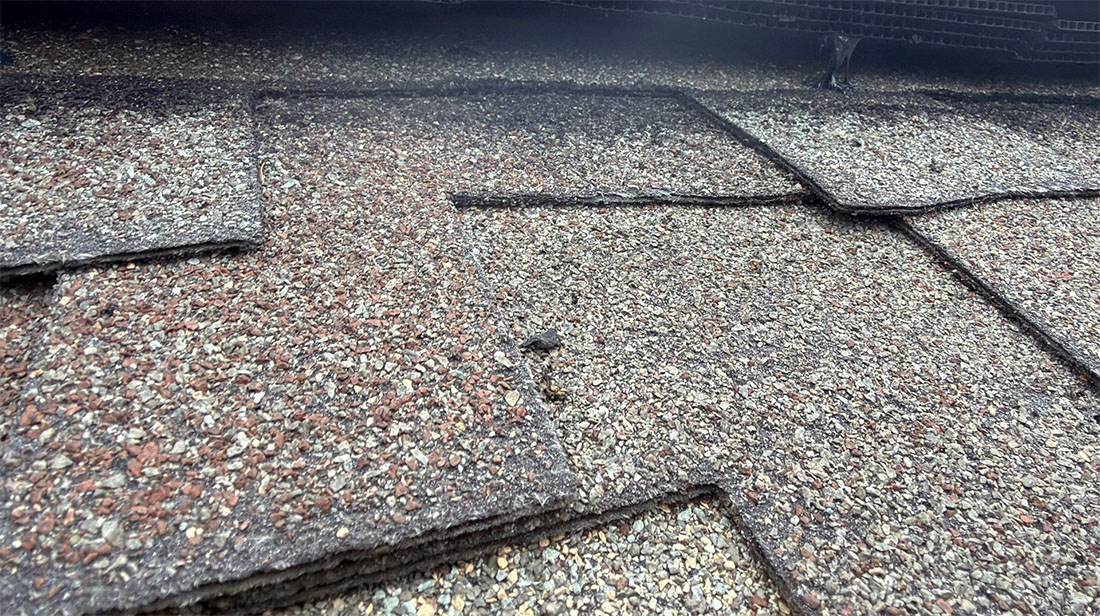
Over time, flashing can become loose, damaged, corroded, or displaced. Wind, temperature changes, aging, and repeated exposure to rain can all contribute to deterioration. Once flashing no longer creates a reliable barrier, water can work its way underneath the roofing materials.
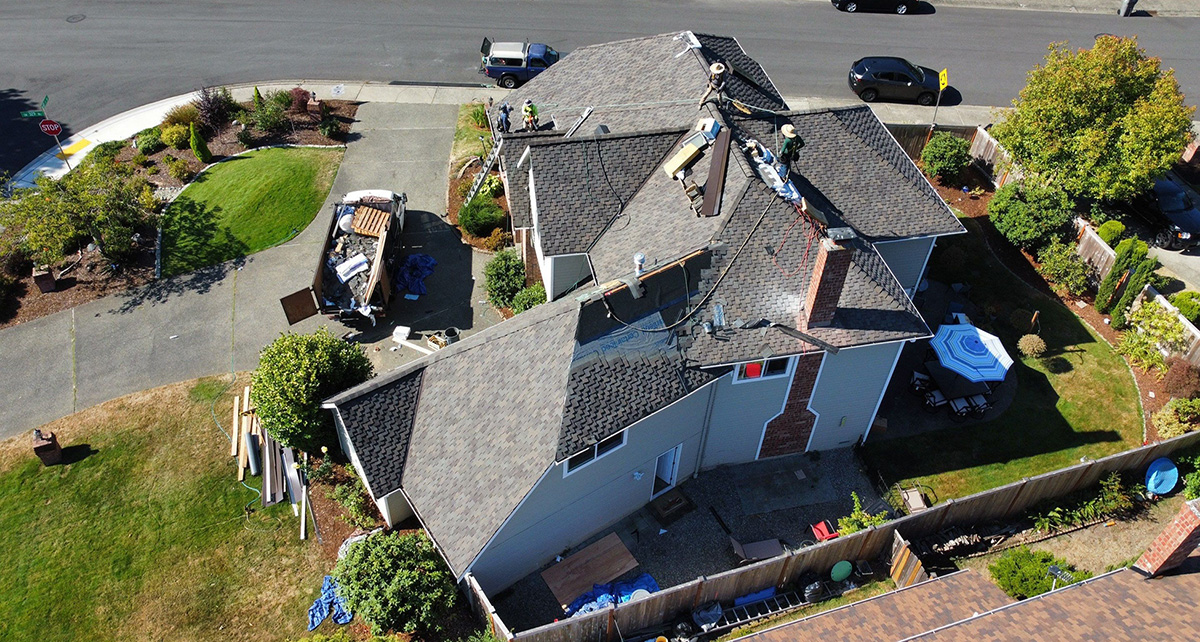
Chimneys can be particularly vulnerable because they create a large transition between the roof and a vertical masonry structure. Components such as step flashing and counterflashing have to work together properly to keep water out.
A flashing problem may not cause an obvious leak right away. Water can travel beneath shingles or other roofing materials before making its way into the home, which can make the original source difficult to pinpoint.
Cracked or Deteriorated Sealants
Sealants and caulking are often used around skylights, vents, flashing, and other roof penetrations to provide an additional barrier against moisture. However, even quality sealants eventually wear down.
Sun exposure, temperature changes, moisture, and age can cause sealants to dry out, crack, shrink, or pull away from surrounding materials. Once gaps form, rainwater can find its way into the roof assembly.
A small crack may not seem like a major concern, but repeated exposure to water can gradually worsen the opening. Moisture may eventually reach the roof deck, insulation, framing, or interior surfaces.
Replacing deteriorated sealant may be enough in some situations, but simply adding new caulk over an existing problem does not always solve the underlying issue. If damaged flashing or improper installation is allowing water into the area, a more extensive repair may be necessary.
Poor Installation
Some roof leaks around chimneys, skylights, and vents can be traced back to installation problems. Even high-quality roofing materials can develop problems when they are not installed correctly.
For example, flashing may be positioned incorrectly, roofing materials may not be properly integrated around a skylight, or a vent may not be adequately sealed to the surrounding roof. Improper metal roof installation can also leave gaps or create areas where water does not drain as it should.
Skylights require particular attention because they create a significant opening in the roof. Their flashing has to be properly integrated with the surrounding roofing materials to prevent water from getting around the edges.
Installation problems are not always obvious to homeowners. A roof can look fine from the ground while hidden defects allow water to enter during heavy rain.
Water Intrusion Can Cause Hidden Damage
Once water gets past the roof’s exterior defenses, the damage may extend well beyond the original leak. Moisture can travel along roof decking, rafters, insulation, and other building materials before becoming visible inside the home.
You might notice water stains on a ceiling or wall, peeling paint, damp insulation, musty odors, or discoloration near a chimney, skylight, or vent. In some cases, these warning signs may not appear until long after the water intrusion began.
That’s why an interior water stain does not necessarily tell you exactly where the roof is leaking. Water can travel some distance before it becomes visible.
Addressing a leak early can help limit the damage. Repairing a flashing or sealant problem is generally much simpler than dealing with a damaged roof deck, insulation, framing, or interior finishes after prolonged moisture exposure.
Why Regular Roof Inspections Matter
Chimneys, skylights, vents, and other roof penetrations deserve particular attention during routine roof inspections because they create natural points of vulnerability. A professional inspection by a roofing company can uncover deteriorated flashing, damaged roofing materials, failed sealants, installation problems, and other conditions that may allow water to enter.
It’s especially important to have your roof checked after severe weather or if you notice signs of water intrusion inside your home. Finding a problem early gives you an opportunity to address it before more extensive damage develops.
Regular inspections can also give you a better understanding of your roof’s overall condition, making it easier to plan maintenance and repairs instead of discovering a problem only after water has made its way inside.
Protect Your Roof with Roofscapes NW
Roof leaks often develop around chimneys, skylights, vents, and other areas where multiple materials and components come together. Damaged flashing, deteriorated sealants, poor installation, and other vulnerabilities can create a path for water to enter the roof and eventually reach your home’s interior.
If you notice water stains, moisture, damaged flashing, or other signs of a roof leak, don’t wait for the problem to get worse. Roofscapes NW can inspect the roof, help identify the source of the problem, and recommend the appropriate repair. As a local Seattle roofing contractor, we understand the demands that the Pacific Northwest climate can place on residential roofs.
Schedule a roof inspection or roof repair service with Roofscapes NW to address potential leaks and help protect your home from further water damage. A professional assessment can give you a clearer picture of your roof’s condition and help you address a small problem before it becomes a much larger repair.