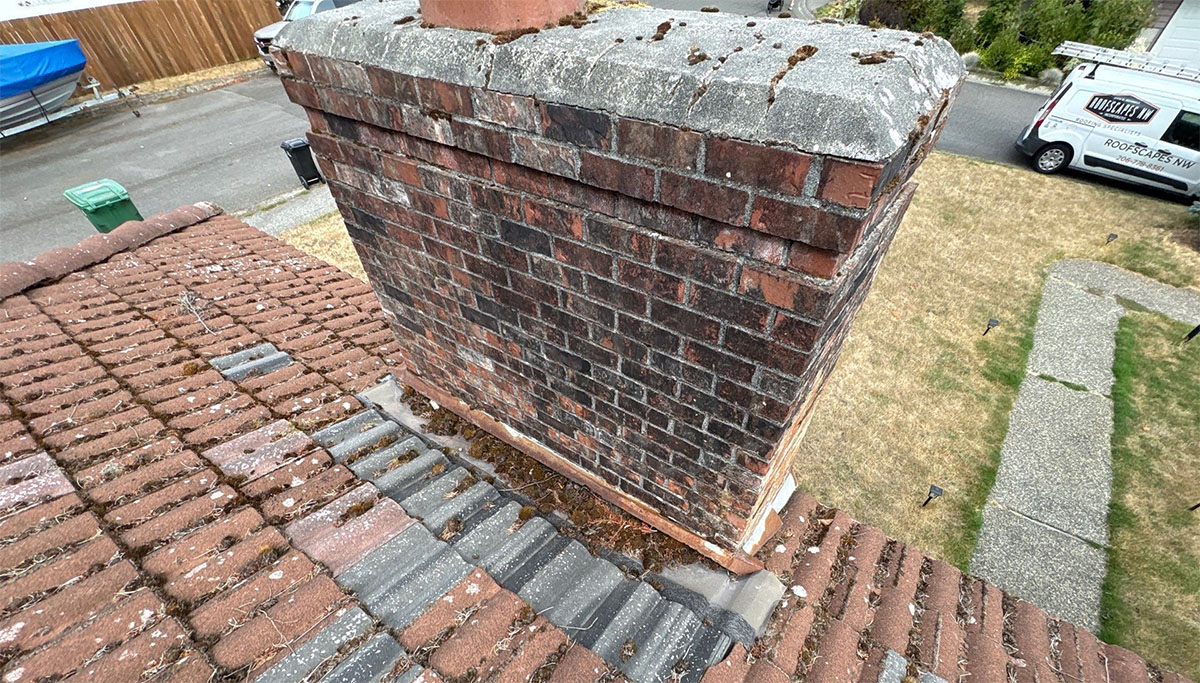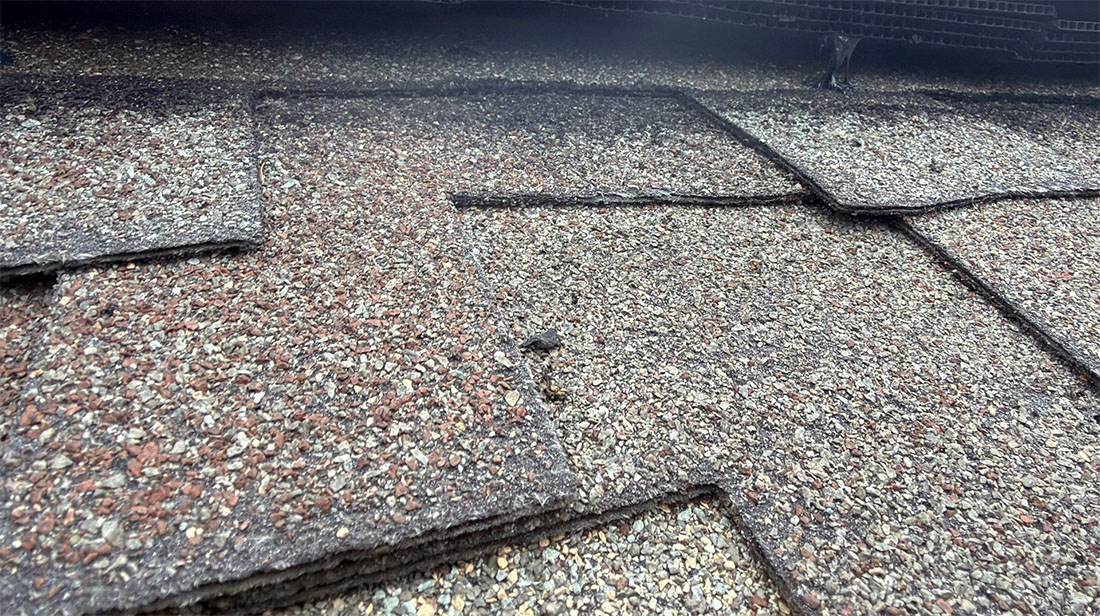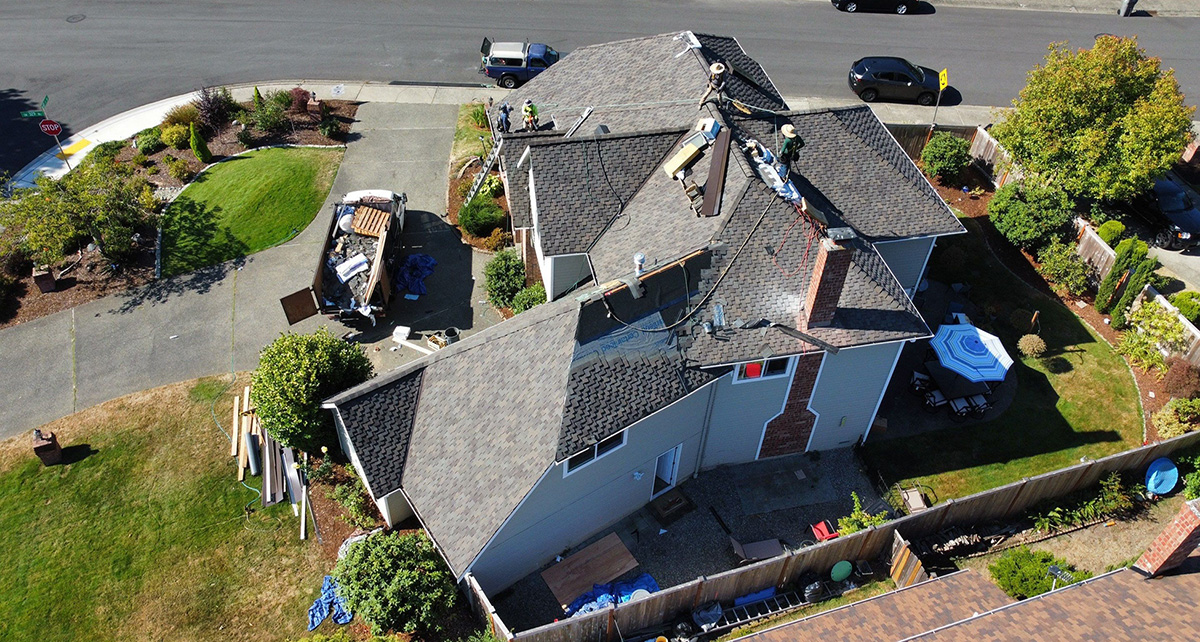
Your roof may look perfectly fine from the street while moisture damage is developing underneath the shingles. When water reaches the plywood or OSB beneath your roofing materials, it can weaken the roof decking and eventually affect the strength and stability of the entire roofing system.
Common signs of damaged roof decking include soft or spongy areas, sagging roof sections, water stains, wood rot, mold or mildew, and warped or delaminated plywood. Some damage can be repaired by replacing individual sections, while widespread deterioration may require more extensive roof decking replacement.
Recognizing these warning signs early can help prevent moisture damage from spreading and give you a better idea of when it is time to schedule a professional roof inspection.
Quick Answer: When Does Roof Decking Need to Be Replaced?
Roof decking generally needs to be replaced when moisture, rot, swelling, delamination, or structural deterioration has weakened the wood enough that it can no longer provide a stable base for the roofing system.
Small areas of damage may only require localized replacement. However, multiple damaged sheets, widespread rot, sagging, or decking that can no longer securely hold roofing fasteners may require more extensive replacement.
A roofing contractor can determine how much decking needs to be replaced after inspecting the roof and identifying the source of the damage.
What Is Roof Decking?
Roof decking, also known as roof sheathing, is the layer of plywood or oriented strand board (OSB) installed over the roof’s structural framing.
The decking creates the solid surface that supports roofing components such as:
- Underlayment
- Asphalt shingles
- Metal roofing systems
- Roof flashing
- Other roofing materials and components
Although homeowners rarely see the decking, it plays an important role in the strength and performance of the roof.
When roof decking becomes soft, warped, rotted, or structurally weakened, it may no longer provide adequate support for the roofing system.
Here are six warning signs that your roof decking may need repair or replacement.
1. What Do Soft Spots on a Roof Mean?
Soft or spongy areas are one of the most common warning signs of damaged roof decking.
Repeated moisture exposure can weaken plywood or OSB over time. As the material deteriorates, portions of the roof may begin to feel soft or give way under pressure.
Soft spots can be caused by:
- Long-term roof leaks
- Damaged shingles
- Failed flashing
- Moisture trapped beneath roofing materials
- Wood rot
Homeowners should never walk across an area of roofing that feels soft or unstable. Weakened decking may not safely support a person’s weight.
An experienced roofing contractor can inspect the area and determine whether the damage is limited to one section or extends farther across the roof.
2. Does a Sagging Roof Mean the Decking Is Damaged?
A roof should generally maintain a consistent and even profile.
If you notice a dip, depression, or visibly sagging area along the roofline, damaged decking could be contributing to the problem.
Sagging can develop when moisture weakens the roof sheathing. However, it can also be related to problems with:
- Roof framing
- Rafters or trusses
- Excessive roof loads
- Long-term water damage
- Structural movement
Because visible sagging can indicate a structural issue, it should be inspected promptly.
Avoid climbing onto a roof that appears noticeably sagged or unstable.
3. Can a Roof Leak Damage Roof Decking?
Yes. Even a relatively small roof leak can eventually damage roof decking if water repeatedly reaches the plywood or OSB.
Signs of a possible roof leak include:
- Brown or yellow ceiling stains
- Damp attic insulation
- Water marks on rafters
- Darkened roof sheathing
- Dripping after heavy rain
- Musty attic odors
One important thing to remember is that water does not always travel straight down from the point where it enters the roof.
Moisture can travel along rafters, underlayment, or decking before becoming visible inside the home. That means the actual source of a leak may be several feet away from the ceiling stain.
A ceiling stain does not automatically mean the roof decking must be replaced. A roofing professional can trace the leak and determine whether the underlying wood has been structurally compromised.
4. Does Wood Rot Mean Roof Decking Needs Replacement?
Roof decking affected by significant wood rot usually needs to be replaced.
Wood rot develops when moisture remains in contact with the decking long enough for decay-causing fungi to break down the wood fibers.
Damaged decking may appear:
- Dark or discolored
- Soft
- Cracked
- Flaky
- Brittle
- Crumbly
Rot is especially concerning because deteriorated decking may lose its ability to support roofing materials or securely hold roofing nails and fasteners.
Installing new shingles over badly deteriorated wood does not correct the underlying problem.
If the rot is limited to a small area, individual sheets or sections of decking may be replaced. More extensive deterioration may require replacing multiple sections before the new roofing system is installed.
The moisture source should also be corrected so the replacement decking does not develop the same problem.
5. Does Mold in the Attic Mean Roof Decking Is Damaged?
Not necessarily, but mold or mildew can indicate that excess moisture is present.
Dark patches, visible mold growth, or persistent musty odors inside the attic may be caused by:
- Roof leaks
- Condensation
- Poor attic ventilation
- Excess indoor humidity
- Moisture entering around roof penetrations
Mold alone does not automatically mean the roof decking has lost its structural strength.
However, wood that remains damp for extended periods can eventually deteriorate.
A professional inspection can help determine whether the moisture is coming from the roof, ventilation system, condensation, or another source.
Addressing the moisture problem is important for preventing recurring mold growth and additional damage to the roof sheathing.
6. Can Warped or Delaminated Roof Decking Be Repaired?
It depends on how severely the decking has deteriorated.
Repeated moisture exposure can cause plywood roof decking to:
- Swell
- Warp
- Split
- Buckle
- Delaminate
Delamination occurs when the individual layers of plywood begin separating.
OSB roof sheathing can also swell, particularly around the edges, after prolonged exposure to moisture.
Homeowners may notice signs such as:
- Uneven roof surfaces
- Raised nail heads
- Distorted shingles
- Wavy sections of roofing
- Visible deterioration from inside the attic
Minor surface changes do not always mean replacement is necessary. However, decking that has lost its strength or can no longer provide a stable base for roofing materials generally needs to be replaced.
What Causes Roof Decking to Rot?
Roof decking damage is most commonly related to prolonged moisture exposure.
Potential causes include:
- Missing or damaged shingles
- Aging roofing materials
- Failed flashing
- Leaks around skylights, chimneys, or vents
- Poor attic ventilation
- Condensation
- Ice or water intrusion
- Previous roof leaks that were never fully repaired
In the Pacific Northwest, persistent rainfall, wind-driven moisture, moss growth, and damp conditions can make preventing roof leaks and excess moisture especially important.
Finding the source of the moisture is just as important as replacing the damaged wood.
When Should Roof Decking Be Replaced?
Roof decking generally needs replacement when the wood has deteriorated enough that it can no longer safely support the roofing system.
Replacement may be recommended when a roofing contractor finds:
- Significant wood rot
- Soft or deteriorated sheathing
- Severe plywood delamination
- Swollen or weakened OSB
- Sagging areas
- Structural deterioration
- Decking that no longer securely holds roofing fasteners
Not every roof requires complete decking replacement.
If the damage is limited to one area, the affected plywood or OSB sheets can often be removed and replaced while sound decking remains in place.
Can Damaged Roof Decking Be Repaired Instead of Replaced?
In many cases, yes.
The proper solution depends on the location, severity, and extent of the damage.
Localized Damage
If only one or two areas have been affected by a roof leak, a contractor may be able to replace those damaged sections while leaving the rest of the roof decking intact.
Widespread Damage
Multiple damaged areas, severe rot, significant swelling, delamination, or structural weakening may require replacement of several sheets or larger sections of the roof deck.
The roof framing should also be evaluated when extensive decking damage is discovered.
A professional roof inspection can help determine:
- Where the damage is located
- How far the deterioration extends
- What caused the moisture problem
- Whether roof framing has been affected
- How much decking needs replacement
- What repairs can prevent the problem from returning
Roof Decking Repair vs. Replacement
The extent of the damage typically determines the best approach.
| Roof Decking Condition | Possible Solution |
|---|---|
| Small localized damaged area | Replace the affected section |
| Minor staining but solid wood | Identify and correct the moisture source |
| Soft or rotten decking | Replace damaged sheathing |
| Severe plywood delamination | Replacement may be necessary |
| Swollen or weakened OSB | Replace affected sections |
| Multiple areas of deterioration | Replace multiple sheets or larger sections |
| Structural framing damage | Additional structural repairs may be required |
The goal is to ensure that the roofing materials have a solid, stable, and dependable surface underneath them.
How Do Roofers Check Roof Decking During a Roof Replacement?
Some roof decking problems can be identified from inside an attic, but the full condition of the roof deck is often easier to evaluate once existing roofing materials are removed.
During a roof replacement, roofing contractors can inspect the exposed decking for:
- Soft areas
- Moisture damage
- Wood rot
- Delamination
- Swollen sheathing
- Damaged fastener areas
- Structural weakness
Areas around roof valleys, vents, chimneys, skylights, and previous leaks may deserve additional attention because these locations can be more vulnerable to moisture intrusion.
If damaged decking is found, the affected areas should generally be addressed before new roofing materials are installed.
Frequently Asked Questions About Roof Decking
How long does roof decking last?
Roof decking can last for decades when it remains dry and protected by a properly installed roofing system. Its lifespan can be shortened by leaks, condensation, poor ventilation, or prolonged moisture exposure.
Can you install new shingles over damaged roof decking?
New shingles should generally not be installed over decking that is rotten, badly warped, structurally weakened, or unable to securely hold roofing fasteners.
Damaged sections should be corrected before the new roofing materials are installed.
Does all roof decking need to be replaced when replacing a roof?
No. If the existing decking remains structurally sound, it can often stay in place.
Roofers typically replace only the sheets or sections that are damaged unless deterioration is widespread.
How do roofers know if roof decking is rotten?
Roofers look for signs such as softness, discoloration, crumbling wood, moisture damage, sagging, delamination, and areas where fasteners no longer hold securely.
Can damaged roof decking be seen from the attic?
Sometimes.
Visible water stains, mold, darkened wood, sagging, or deteriorated sheathing may be seen from an accessible attic. However, some roof decking damage may remain hidden until the roofing materials above it are removed.
Can roof decking damage cause shingles to look uneven?
Yes. Warped, swollen, or deteriorated roof decking can sometimes cause shingles to appear wavy, raised, distorted, or uneven because the surface underneath them is no longer flat.
Schedule a Roof Decking Inspection With Roofscapes NW
Damaged roof decking can eventually affect the performance and stability of your entire roofing system.
Soft spots, sagging sections, water stains, wood rot, mold, and deteriorating plywood or OSB can all indicate that moisture has reached the underlying roof structure.
If you suspect your roof decking is damaged, contact Roofscapes NW to schedule a professional roof inspection.
Our team can evaluate the condition of your roof sheathing, identify damaged areas, determine what may be causing the moisture problem, and recommend the appropriate repair or replacement options to help protect your home.