When your roof starts leaking, shingles go missing, or water stains appear on your ceiling, it’s natural to wonder: Does my roof need a complete replacement, or will a repair take care of the problem?
For Washington homeowners, making this decision can be especially challenging. Frequent rainfall, persistent moisture, seasonal storms, and occasional high winds can speed up roof deterioration and contribute to more extensive damage. Still, not every roofing issue means it’s time for a new roof.
Before committing to either option, it’s important to consider your roof’s overall condition, the extent of the damage, and the potential long-term costs of continued repairs. The following questions can help you determine whether roof repair or replacement makes more sense for your home.
How old is my roof, and how much longer will it last?
Your roof’s age is one of the first factors to consider when deciding between roof repair and a complete replacement. Most asphalt shingle roofs last approximately 15 to 30 years, depending on material quality, installation, ventilation, maintenance, and weather exposure. In Washington, frequent rainfall and prolonged moisture can accelerate deterioration, especially when drainage or ventilation issues go unaddressed.
If your roof is relatively new and has only isolated damage, a targeted repair may be all that’s needed. However, if it’s nearing the end of its expected lifespan and showing widespread signs of wear, replacement may be the more sensible long-term investment.
Remember, age alone doesn’t determine whether your roof needs replacing. A professional inspection will help assess the condition of the shingles, underlayment, flashing, and underlying structure to determine whether repairs are still feasible.
Do recurring roof leaks mean I need a new roof?
Damaged flashing, loose or missing shingles, deteriorating sealant, clogged drainage systems, or damaged roof valleys can cause a roof leak. In many cases, these issues can be fixed without replacing the entire roof.
However, if the same leak keeps coming back after repairs, it could point to a more serious underlying problem. It could be widespread roofing material deterioration, poor installation, or moisture trapped beneath the roofing system. Patching the visible damage without fixing the source can lead to bigger problems over time.
For Washington homeowners, ongoing moisture exposure can also increase the risk of mold growth, wood rot, and water damage inside the home.
If you notice leaks in multiple areas or find yourself dealing with the same leak more than once, have a roofing contractor inspect the entire roof. A closer look will help determine whether targeted repairs are still enough or if a full roof replacement is the better long-term solution.
Do I need a new roof if I have missing or damaged shingles?
Missing, cracked, curling, or loose shingles are among the most common reasons homeowners call for roof repairs. The good news is that isolated shingle damage doesn’t necessarily mean you need a whole new roof.
If the surrounding shingles are still in good shape, a roofing contractor may be able to replace the damaged ones without disturbing the rest of the roof.
But what if you notice shingle damage in several areas?
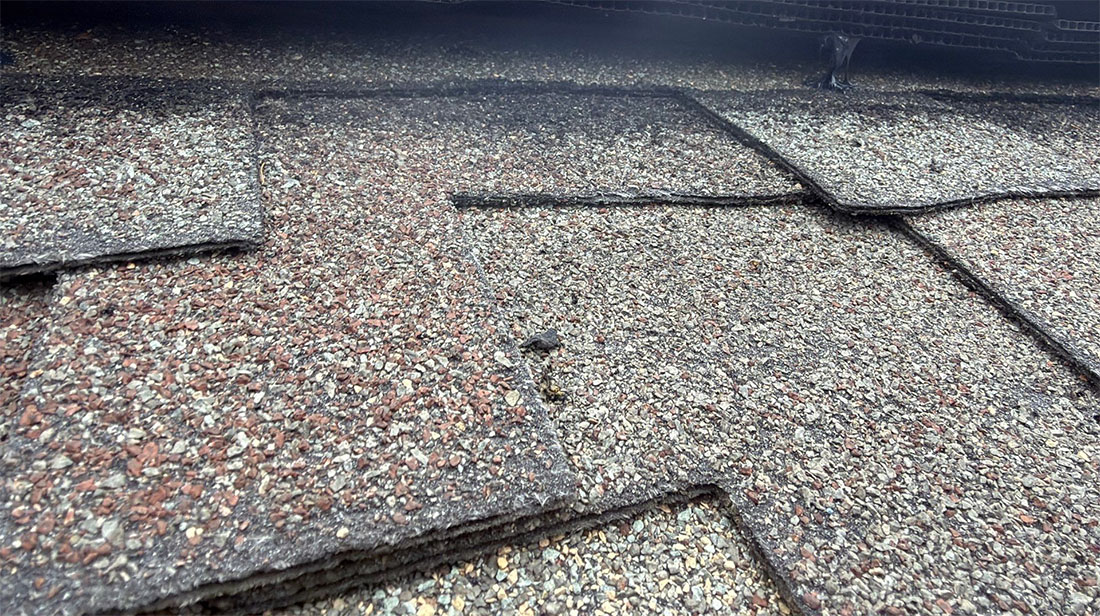
Widespread granule loss, curling edges, brittle shingles, and repeated damage can all be signs that your roof is nearing the end of its lifespan. At this point, replacing individual shingles may only be a short-term fix rather than a lasting solution.
After a strong windstorm or severe weather, look for visible signs of shingle damage from the ground. Avoid climbing onto the roof to inspect it yourself, especially if the surface is wet or slippery. A professional roofer can safely assess the damage and help you determine whether repairs are in order or a full replacement makes more sense.
What should I do if my roof decking is damaged?
Roof decking is the structural layer beneath your shingles and other roofing materials. It provides a solid surface for the roofing system and helps support the roof’s overall structure.
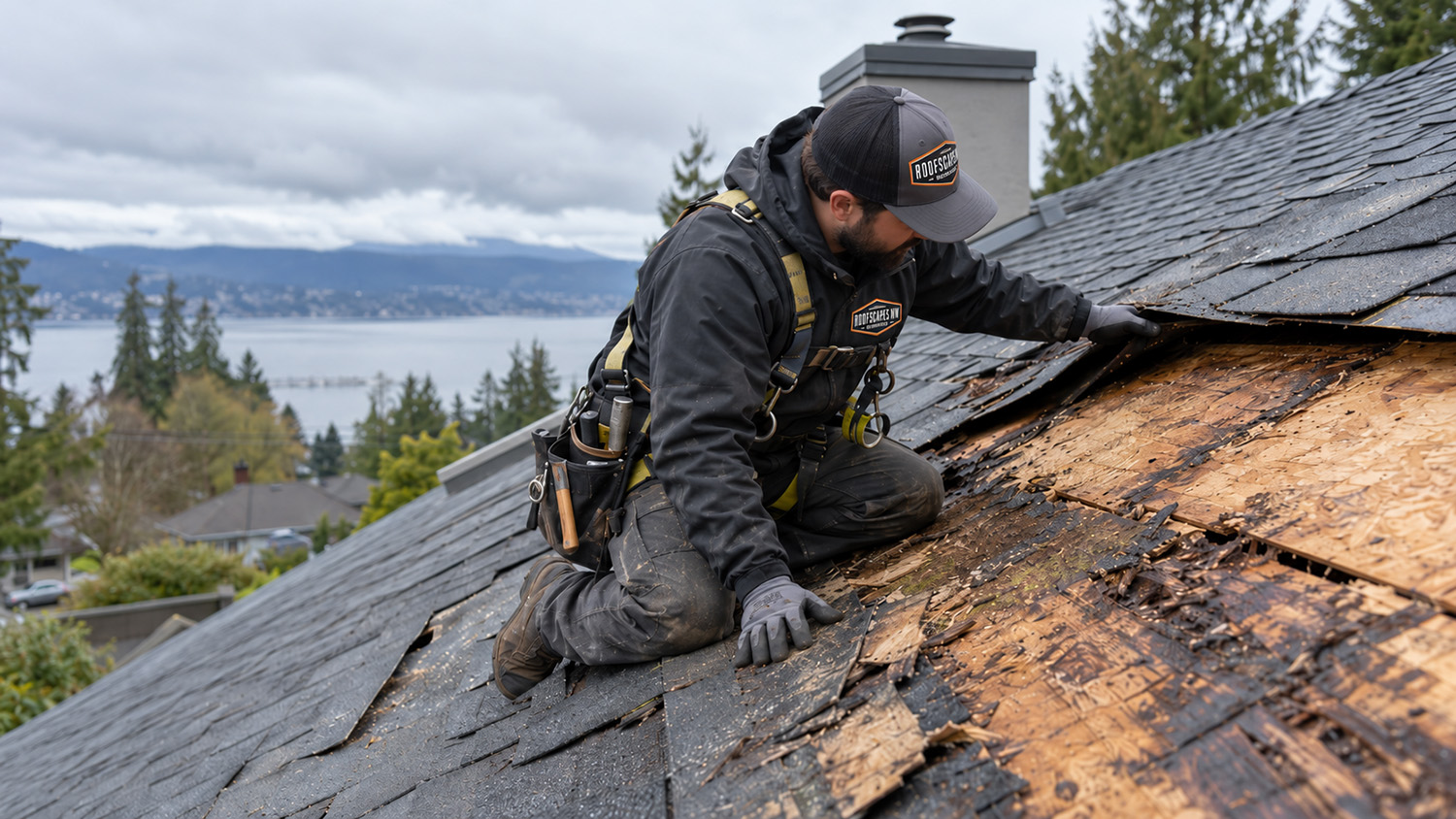
When water seeps through the roof, it can damage the decking, causing it to swell, weaken, sag, or rot over time.
Not sure if your roof decking is damaged? Here are some common warning signs to look for:
- Sagging or uneven areas along the roofline
- Soft or spongy spots found during a professional inspection
- Water stains or discoloration in the attic
- Musty odors or visible mold growth
- Leaks that keep appearing around the same roof sections
Unlike minor shingle damage, deteriorated roof decking often requires more extensive repairs. Depending on how much of the decking is affected, a contractor may be able to replace a few damaged sections or recommend a larger roofing project if the damage is widespread.
Don’t ignore signs of damaged decking. Weak or rotting roof sheathing can compromise your roof’s structural integrity and lead to bigger, costly repairs if unaddressed.
Is it cheaper to keep repairing my roof or replace it?
Roof repairs may seem like the less expensive option at first, but the costs can add up if you keep dealing with the same problems.
For example, replacing a few missing shingles is usually much more affordable than replacing an otherwise healthy roof. But if you’re repeatedly paying for leak repairs, flashing replacement, and damage caused by aging roofing materials, a full roof replacement may make more financial sense in the long run.
Here are a few things to consider when weighing your options:
- Roof age: Is your roof nearing the end of its expected lifespan, or does it still have several good years left?
- Repair frequency: Have you had to call a roofing contractor several times over the past few years?
- Extent of damage: Are the problems limited to one area, or are multiple sections of the roof showing signs of wear?
- Underlying condition: Are the roof decking or underlayment showing signs of deterioration?
- Long-term outlook: Will another repair provide several more years of protection, or are you likely to face the same problems again?
Before making a decision, ask your roofing contractor for separate estimates for repair and replacement. Find out how long each option is expected to last and what additional work may be needed. Comparing the upfront costs with the potential long-term expenses can help you decide which option offers better value for your home.
Do I need a roof replacement after storm damage, or can it be repaired?
In many cases, yes. Whether your roof can be repaired after a storm depends on how extensive the damage is and the overall condition of the roofing system.
Washington storms can bring strong winds, heavy rain, falling branches, and flying debris that damage shingles, flashing, and other roofing components. If the damage is limited to a small area and the rest of the roof is still in good condition, targeted repairs may be all you need.
However, if the storm has caused widespread shingle damage, multiple leaks, compromised roof decking, or significant structural problems, a full roof replacement may be the better option.
It’s also a good idea to document any visible damage and review your homeowners’ insurance policy. Depending on your coverage, storm-related damage may qualify for insurance reimbursement. Keep in mind that coverage depends on your policy’s terms, exclusions, and deductible. Normal wear and tear is generally handled differently from sudden storm damage.
A qualified roofing contractor can inspect your roof, document the damage, and provide an estimate for the necessary work. Your insurance provider, however, makes the final decision on whether the damage is covered.
Do I need a roof inspection to know if my roof needs repair or replacement?
Yes. A professional roof inspection can help you understand the extent of the damage and determine whether repairs will be enough or if a full replacement is the better option.
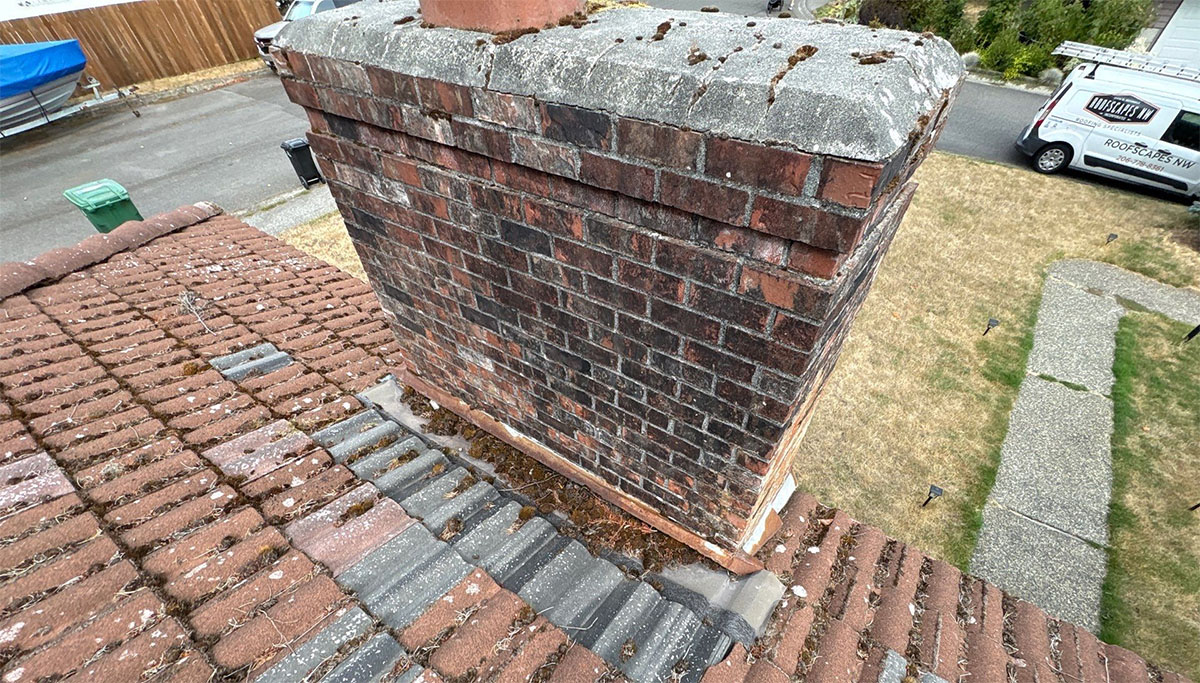
A qualified roofing contractor should look beyond visible shingle damage and assess the entire roofing system. This includes flashing, roof valleys, underlayment, ventilation, drainage, and roof decking. They should also check for signs of moisture intrusion, rot, and other hidden problems that could affect your roof’s performance.
Before agreeing to any work, ask the contractor to show you photos of the damaged areas, explain what’s causing the problems, and provide a written estimate with recommended repairs or replacement options. You should also ask about workmanship warranties for repairs and the warranty coverage included with a new roof.
Be wary of contractors who immediately push for a full roof replacement without explaining why it’s necessary. A trustworthy professional should be able to show you what they found and explain why their recommendation makes sense for your roof.
So, should I repair my roof or replace it?
Your decision depends on your roof’s age, overall condition, extent of damage, and repair spending.
If the damage is limited to one area, the underlying structure is still in good shape, and your roofing materials have plenty of life left, a repair is often the more practical choice. However, if you’re dealing with widespread deterioration, recurring leaks, or damaged roof decking, replacing the entire roof may offer better protection and long-term value.
For Washington homeowners, addressing roofing problems early is particularly important because of the region’s frequent rain and damp conditions. Putting off necessary repairs can allow moisture to spread, leading to wood rot, mold growth, and more extensive damage to your home. The sooner you identify the problem, the more options you may have for keeping repair costs and damage under control.
Still not sure whether to repair or replace your roof?
If you’re unsure whether your roof needs repairs or a complete replacement, a professional inspection can help you make the right call. An experienced roofing contractor can assess your roof’s condition, explain your options, and recommend the most practical solution before you commit to a project.
Roofscapes NW proudly serves homeowners in Seattle and the surrounding areas. We provide honest roof assessments, transparent pricing, and recommendations tailored to your home’s needs. Our goal is to help you get the most out of your existing roof while avoiding unnecessary expenses.
Need help deciding what your roof needs? Contact Roofscapes NW today!