Living in the Puget Sound region is a unique experience. We have some of the most beautiful landscapes in the country, from the shores of the Sound to the foothills of the Cascades. But as every homeowner in Seattle, Federal Way, and the surrounding areas knows, we also have a unique climate.
We don’t just get rain; we get months of drizzle, occasional atmospheric rivers, windstorms, and salt air. We also have towering evergreens that drop needles and shade our homes, creating the perfect breeding ground for moss.
When it comes time to replace your roof, you can’t simply choose materials based on what looks good in a magazine photo from Arizona or Florida. You need a roofing system engineered for Washington.
At Roofscapes NW, we believe an informed homeowner makes the best decisions. We aren’t here to push the most expensive option; we are here to help you match the right material to your specific home, budget, and long-term goals.
In this guide, we will break down the top roofing materials for the Pacific Northwest, analyzing how they handle our wet weather, their longevity, and why they might be the right fit for your family.
1. Architectural Asphalt Shingles: The Reliable Standard
Asphalt shingles are the most popular roofing material in North America, and for good reason. They are cost-effective, versatile, and have come a long way in terms of technology over the last 20 years.
However, not all asphalt shingles are created equal. In the Pacific Northwest, we specifically recommend Architectural (or Laminate) Shingles over the older 3-tab style.
How They Handle PNW Weather
- Wind Resistance: Modern architectural shingles are heavy and durable, typically rated for winds up to 110-130 mph. This is crucial for those November windstorms that sweep through King and Pierce Counties.
- Algae Resistance: Many top-tier shingles now come with copper-infused granules that help resist the black streaks caused by algae – a common sight on older roofs in our area.
- Rain Protection: When installed with the correct underlayment and flashing, asphalt provides excellent waterproofing.
The “Pros” for Seattle Homeowners
- Affordability: This is generally the most budget-friendly option for a full roof replacement.
- Aesthetics: They provide a dimensional, textured look that fits well with most local architectural styles, from Craftsman to suburban ramblers.
- Ease of Repair: If a branch falls and damages a few shingles, they are relatively easy and inexpensive to replace compared to metal or slate.
The Considerations
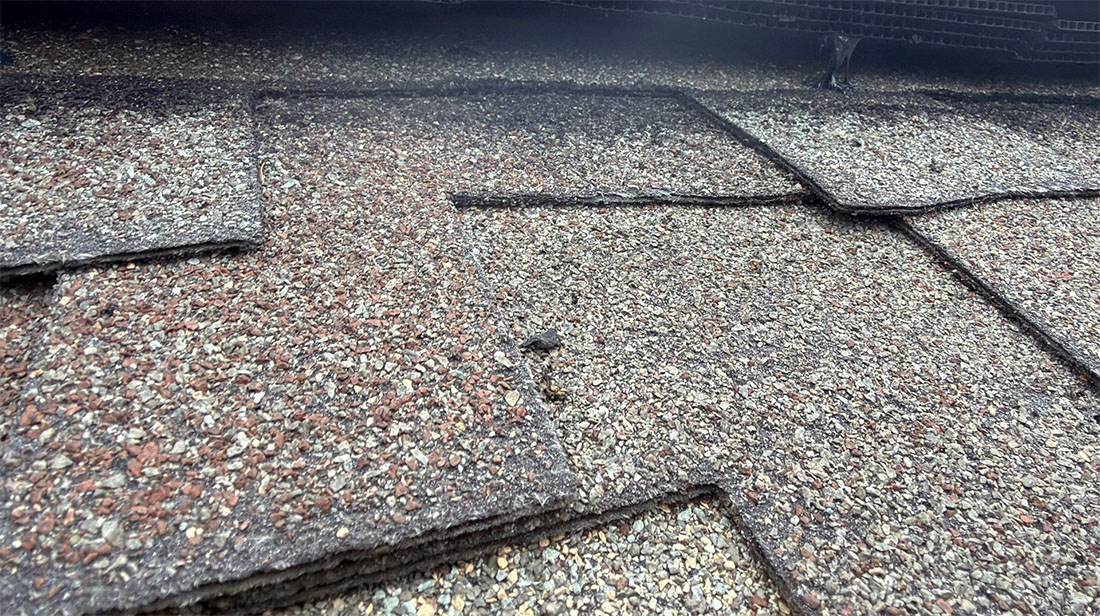
The lifespan of an asphalt roof in a damp climate is typically 20-30 years. Because of our constant moisture and shade, asphalt roofs in Washington require maintenance. You will need to stay on top of moss removal to prevent the root systems from lifting the shingles and degrading the granules.
Verdict: The best value for homeowners who want a solid, reliable roof and are willing to perform occasional maintenance.
2. Metal Roofing: The “Forever” Solution
Metal roofing has exploded in popularity across the Pacific Northwest in the last decade. Drive through neighborhoods in West Seattle or rural areas near Federal Way, and you will see more and more homes sporting sleek metal roofs.
Standing Seam vs. Exposed Fastener
At Roofscapes NW, we generally recommend Standing Seam Metal Roofing for residential homes. This system features concealed fasteners, meaning there are no screw holes exposed to the weather. The panels lock together, creating a watertight fortress.
How They Handle PNW Weather
- Impervious to Water: Metal does not absorb water. Rain sheds off it immediately.
- Moss Proof: This is the biggest selling point for many locals. Moss and algae generally cannot grip onto the smooth surface of a metal roof. If you live in a wooded area with little sunlight, metal is a game-changer.
- Debris Shedding: Pine needles and leaves tend to slide off metal roofs rather than accumulating in valleys (though gutters still need cleaning!).
The “Pros” for Seattle Homeowners
- Longevity: A high-quality metal roof can last 50+ years. It is often the last roof a homeowner will ever need to buy.
- Eco-Friendly: Metal roofs are often made from recycled materials and are 100% recyclable at the end of their life.
- Cooling Efficiency: While we worry about heating, our summers are getting hotter. Metal reflects solar heat, keeping your upper floors cooler in July and August.
The Considerations
The primary barrier is cost. A standing seam metal roof is a significant investment – often double or triple the cost of asphalt. However, when you calculate the cost per year over a 50-year lifespan, it becomes very competitive.
Verdict: The ideal choice for the “forever home” or properties in heavily wooded, moss-prone areas.
3. Synthetic Composite (The Cedar Shake Alternative)
The Pacific Northwest has a long history with natural cedar shake roofs. They look beautiful and fit the rustic aesthetic of our region. However, real cedar has fallen out of favor due to the high maintenance required to prevent rot and the increased fire risk (which is becoming a larger concern even in Western Washington).
Enter Synthetic Composite Roofing. These are engineered tiles made from polymers and rubber that mimic the exact look of slate or hand-split cedar shakes but without the organic downsides.
How They Handle PNW Weather
- Rot and Impact Resistant: These tiles are virtually indestructible. They will not rot, warp, crack, or absorb water.
- Freeze-Thaw Stability: Synthetic materials are flexible, meaning they handle our temperature swings without becoming brittle.
The “Pros” for Seattle Homeowners
- Curb Appeal: You get the stunning, high-end look of traditional slate or cedar, which can significantly boost property value.
- HOA Friendly: Many Multi-Unit properties and HOAs in the Puget Sound prefer the look of cedar but hate the maintenance. Synthetics satisfy the aesthetic rules while providing modern durability.
- Durability: Most come with 50-year or lifetime warranties.
The Considerations
Like metal, this is a premium product with a higher price point. It is an investment in aesthetics and performance.
Verdict: Perfect for luxury homes, historic renovations, or homeowners who love the look of cedar but hate the rot.
4. Flat Roofing (PVC & TPO) for Modern Homes
While common on commercial buildings, we are seeing more modern, cubic-style architecture in Seattle residential neighborhoods that utilize flat or low-slope roofs.
For these, traditional shingles do not work because they rely on gravity to shed water. Instead, we use Single-Ply Membranes like PVC (Polyvinyl Chloride) or TPO (Thermoplastic Polyolefin).
How They Handle PNW Weather
- Waterproofing: These systems are heat-welded at the seams, creating a single, monolithic sheet of plastic that covers your home. It effectively turns your roof into a swimming pool liner – water cannot get in.
- Ponding Water: They are designed to withstand standing water (though we always design for proper drainage).
Verdict: The only viable option for flat or very low-slope roofs. PVC is typically our top recommendation in Washington for its superior resistance to chemicals and oils.
The “Invisible” Component: Ventilation
Regardless of whether you choose asphalt, metal, or synthetic, there is one factor that matters more than the material itself: Ventilation.
In the Pacific Northwest, condensation is a roof killer. We generate moist air inside our homes (cooking, showering, breathing), and if that air gets trapped in the attic, it hits the cold roof deck and turns into water. This leads to mold, rot, and “leaks” that aren’t actually coming from the rain.
A quality roof replacement isn’t just about nailing down new shingles. It’s about calculating the intake (soffit) and exhaust (ridge) ventilation to ensure your attic breathes. At Roofscapes NW, assessing your ventilation is a standard part of every inspection.
Why “Local” Expertise Matters for Materials
You can buy the best roofing material in the world, but if it is installed incorrectly, it will fail in a Seattle winter.
National chains often use standardized installation methods that work in dry climates but fail here. For example, the way we flash a chimney or a skylight in Federal Way requires specific techniques to handle wind-driven rain. The type of nails we use, the placement of the drip edge, and the selection of underlayment are all dictated by our specific weather patterns.
Roofscapes NW is family-owned and operated here. We don’t just install roofs; we maintain them. We see what works and what fails after 10 years of Puget Sound weather. When we recommend a material, it’s because we know it stands up to our environment.
Which Roof is Right for You?
Choosing a roof is a balance of aesthetics, budget, and longevity.
- Selling soon or on a budget? Architectural Asphalt is a fantastic choice.
- Staying forever and hate moss? Standing Seam Metal is your answer.
- Want the “Cedar look” without the rot? Go with Synthetic Composite.
- Have a flat roof? PVC is the way to go.
Take the Guesswork Out of Your Project
If you are considering a roof replacement this year, don’t rely on guesswork. Get a professional opinion tailored to your home’s specific architecture and location.
Roofscapes NW offers detailed, pressure-free inspections. We will walk you through your options, bring samples you can touch and feel, and provide a transparent estimate that respects your budget.
Ready to protect your home?
Contact us today to schedule your consultation. Let’s build a roof that keeps your family safe, dry, and comfortable for decades to come.