When homeowners in Seattle, WA think about protecting their houses, they usually focus on the rain. We spend our time cleaning gutters, checking for missing shingles, and worrying about windstorms blowing off the Puget Sound. It makes perfect sense to look at the outside of the house when the weather is bad.
However, one of the biggest threats to your roofing system actually comes from the inside.
At Roofscapes NW, we inspect hundreds of homes across King County and Pierce County every year. Very often, a homeowner will call us to report a roof leak. They notice a water stain on their ceiling or a damp smell in their upper hallway. When our team arrives to investigate, we find that the exterior shingles are in perfect condition. The real culprit is poor attic ventilation.
Understanding how your attic breathes is the key to maximizing the lifespan of your roof. Whether you have an older house in Federal Way or a newly constructed property in the surrounding Washington service areas, proper airflow is nonnegotiable. In this guide, we will explain exactly why ventilation matters, how it impacts your home in both winter and summer, and what you can do to protect your investment.
What is Attic Ventilation?
To understand the problem, it helps to understand how a healthy roof functions. A proper residential roofing system is designed to breathe. It relies on a continuous flow of air moving through the attic space.
This system requires two main components:
- Intake Vents: These are typically located under the eaves of your roof in the soffits. They allow cool, fresh outside air to pull into the attic.
- Exhaust Vents: These are installed at the highest point of your roof, usually along the ridge line. They allow stale, warm air to escape.
When the system is balanced, the temperature inside your attic should be very close to the temperature outside your home. If the air stalls and gets trapped, your home becomes a trap for moisture and heat.
The Winter Threat: Condensation and “Phantom Leaks”
During the colder months in the Pacific Northwest, we spend a lot of time indoors with the heat turned up. Everyday activities like cooking, running the dishwasher, taking hot showers, and even simply breathing generate a massive amount of warm, moist air.
Because heat rises, this humid air travels upward through your ceilings and into your attic. If your attic lacks proper exhaust ventilation, that warm air has nowhere to go. It eventually collides with the underside of your cold roof deck.
When warm, moist air meets freezing cold plywood, it creates condensation. It is the exact same scientific process that causes water droplets to form on the outside of a cold glass of iced tea on a warm day.
In a poorly ventilated attic, this condensation drips down onto your insulation. Over time, it ruins the insulating value of your fiberglass, breeds black mold on your rafters, and eventually seeps through your drywall. To the homeowner standing in the hallway below, this looks exactly like a roof leak. We call these “phantom leaks” because the rain outside has nothing to do with the water inside.
The Summer Threat: Baking from the Inside Out
While we are famous for our rainy season, our summers are getting hotter and longer. When July and August arrive in the Puget Sound, poor ventilation causes an entirely different set of problems.
Without a way for hot air to escape, the temperature inside a sealed attic can easily soar above 140 degrees on a sunny day. This extreme trapped heat essentially bakes your roof from the inside out.
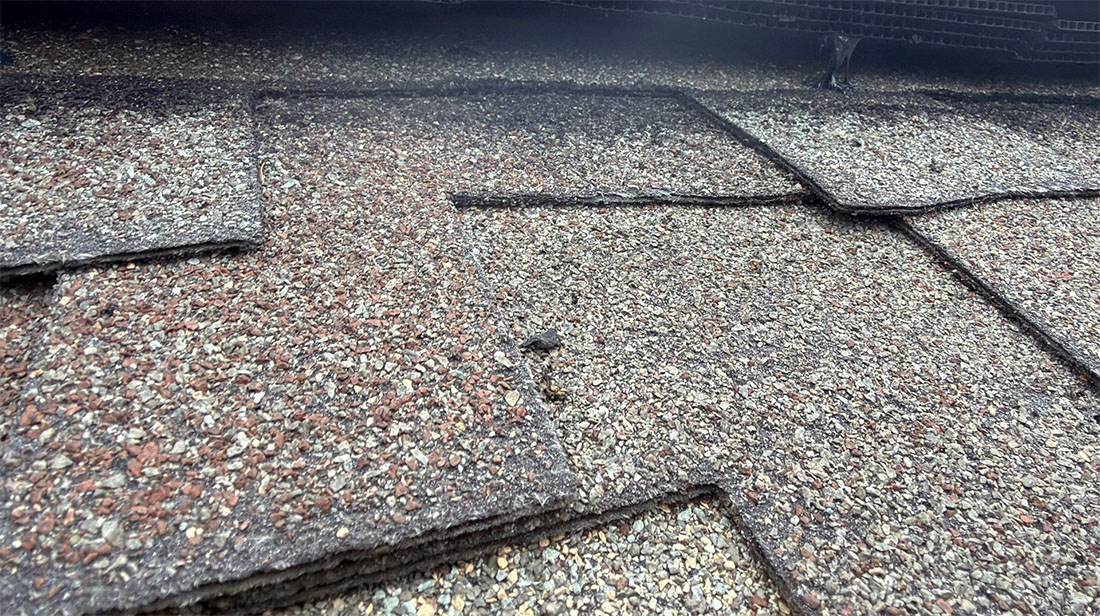
If you have standard asphalt roofing, this intense heat causes the shingles to age prematurely. The asphalt dries out, blisters, and begins to curl at the edges. The adhesive strips that hold the shingles down can fail, leaving your roof highly vulnerable to the next windstorm. Furthermore, almost every major roofing manufacturer will void the warranty on their shingles if they are installed over a poorly ventilated attic.
Even premium materials require proper airflow. If you are investing in metal roofing or synthetic roofing, your contractor must ensure the decking underneath is properly ventilated to prevent moisture buildup and structural warping.
Signs Your Home Has a Ventilation Problem
You do not need to be a roofing expert to spot the warning signs of bad airflow. Here are the most common symptoms we see during our roof repair and maintenance calls:
Unexplained High Energy Bills
If your air conditioning unit is running constantly during the summer, it might be fighting against a 140 degree attic pressing down on your living space. Proper ventilation naturally cools the home, lowering your energy costs.
Rippled or Wavy Shingles
Take a look at your roof from the street. If the surface looks warped or the shingles are curling upward, they have likely been damaged by trapped attic heat.
Excessive Moss Growth
Moss thrives in warm and damp environments. If warm air is trapped in your attic during the winter, it actually warms the shingles just enough to melt frost and create the perfect cozy environment for heavy moss to bloom on the exterior.
Ice Dams in Freezing Weather
When it snows in Washington, a warm attic will melt the snow on the higher parts of your roof. That water runs down to the colder edges near the gutters and freezes solid. This creates a dam of ice that forces pooling water backward under your shingles.
Commercial and Multi-Unit Properties
Ventilation issues are not limited to single-family homes. For multi-unit property owners managing apartments, condos, or HOAs, poor ventilation can be a massive liability. A single poorly ventilated building can lead to widespread mold complaints and structural rot across multiple units.
The same applies to commercial roofing systems. While flat roofs utilizing single-ply membrane systems like TPO or PVC have different structural rules, moisture management remains a critical part of the building code. Working with a contractor who understands the specific airflow requirements for commercial structures is vital for long-term property management.
Why Local Expertise Matters
Solving a ventilation problem requires more than just cutting a hole in the roof and adding a vent. It requires precise mathematical calculations to ensure the intake and exhaust are perfectly balanced. If you have too much exhaust and not enough intake, the roof will actually pull air from your heated living space, driving your energy bills through the roof.
This is why choosing the right local contractor is so important. National chains or out-of-state storm chasers often use a cookie-cutter approach to roof replacement and installation. They might install standard vents that work well in a dry climate but fail miserably in the damp environment of the Pacific Northwest.
At Roofscapes NW, we are a family-owned and operated company deeply rooted in this community. We understand the specific weather patterns of Western Washington. We know that a house surrounded by tall pine trees in Federal Way might need a different ventilation strategy than a fully exposed home near the water in West Seattle.
The Roofscapes NW Approach
When you call us for an estimate, we do not just measure the outside of your house and hand you a quote. A true professional assessment requires looking at the total health of the roofing system.
Our team will inspect your attic space to check for signs of moisture, mold, and blocked soffit vents. Often, we find that a previous contractor or an overly enthusiastic insulation company accidentally stuffed fiberglass insulation directly over the intake vents, choking the home of fresh air.
As a fully licensed, bonded, and insured company, we pride ourselves on honest recommendations. We will never sell you a full roof replacement if a simple repair and a ventilation upgrade will solve your problem. Our goal is to provide you with a long-term solution that gives you complete peace of mind.
Secure Your Home Today
Your roof is a complex system designed to protect your family and your biggest financial asset. Do not let hidden moisture and trapped heat silently destroy that system from the inside out.
If you have noticed a musty smell upstairs, wavy shingles, or sudden spikes in your heating and cooling bills, it is time to get a professional opinion.
Contact Roofscapes NW today to schedule a detailed roof and attic inspection. Our knowledgeable team will provide you with a clear and confident assessment of your property. Let us help you ensure your home breathes properly, stays dry, and stands strong against whatever the Washington weather brings next.